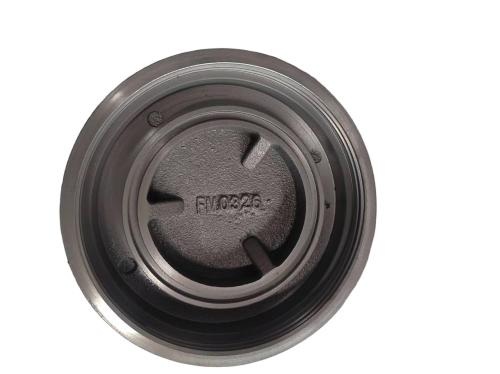
In municipal water systems and fire protection infrastructure, small components often play a critical role in long-term reliability. One example is the cast iron pumper cap, a durable protective fitting installed on fire hydrants and pumping outlets. Although it may appear simple from the outside, the pumper cap serves several essential purposes related to system protection, operational safety, and hydrant performance.
For water utility departments, foundries, contractors, and hydrant manufacturers, choosing the right cast iron hydrant cap can directly affect maintenance costs, corrosion resistance, and service life.
What Does a Cast Iron Pumper Cap Do?
The primary function of a cast iron pumper cap is to seal and protect the pumper nozzle opening on a fire hydrant or pumping connection. It acts as a protective barrier between the internal water system and the outside environment.
Without a properly fitted cap, hydrants become vulnerable to:
- Dirt and debris contamination
- Moisture intrusion
- Thread damage
- Corrosion buildup
- Vandalism and tampering
- Reduced hydrant reliability during emergencies
-
The cap is typically threaded onto the hydrant outlet and removed only during firefighting operations, maintenance, or system testing.
Main Functions of a Cast Iron Pumper Cap
1. Preventing Dirt and Debris from Entering the Hydrant
One of the most important functions of a cast iron fire hydrant pumper cap is contamination prevention.
Fire hydrants are exposed to harsh outdoor conditions year-round. Dust, sand, leaves, insects, mud, and standing water can easily enter an uncovered nozzle opening.
Even small debris particles may cause:
| Potential Issue |
Impact on System |
| Sediment buildup |
Reduced water flow |
| Internal corrosion |
Shorter hydrant lifespan |
| Valve obstruction |
Difficult hydrant operation |
| Water contamination |
Maintenance and flushing costs |
According to water utility maintenance reports, contaminated hydrants require significantly more flushing and inspection cycles than properly sealed systems.
A tight-sealing pumper cap helps maintain cleaner internal conditions and improves operational reliability.
2. Protecting Hydrant Threads from Damage
Hydrant outlet threads are precision-machined surfaces designed for quick hose connections during emergencies. Damaged threads can delay firefighting response times and create safety risks.
A cast iron threaded pumper cap protects these threads against:
- Mechanical impact
- Vehicle contact
- Rust formation
- Weather exposure
- Wear from repeated handling
Because cast iron has high compressive strength and excellent durability, it performs well in municipal environments where hydrants experience constant outdoor exposure.
Why Cast Iron Is Commonly Used for Pumper Caps
Several materials are used for hydrant accessories, including ductile iron, brass, and aluminum. However, cast iron remains widely used due to its balance of durability, cost-effectiveness, and casting performance.
Material Comparison
| Material |
Strength |
Corrosion Resistance |
Cost |
Typical Use |
| Cast Iron |
High |
Moderate |
Low |
Municipal hydrants |
| Ductile Iron |
Very High |
Good |
Medium |
Heavy-duty systems |
| Brass |
Moderate |
Excellent |
High |
Marine/wet environments |
| Aluminum |
Lightweight |
Moderate |
Medium |
Portable equipment |
Key Advantages of Cast Iron Pumper Caps
- Excellent wear resistance
- Good dimensional stability
- Strong impact resistance
- Cost-efficient for large production runs
- Suitable for sand casting manufacturing
- Long service life in outdoor conditions
Many manufacturers apply additional coatings such as:
- Epoxy coating
- Bituminous paint
- Powder coating
- Galvanized finishing
These coatings help improve corrosion resistance and extend product lifespan.
How a Pumper Cap Supports Firefighting Operations
The large outlet on a hydrant is commonly called the pumper nozzle because it connects directly to fire engine pumps.
During emergency operations, firefighters rely on fast hydrant access and unrestricted water flow. A damaged or seized cap can delay deployment.
A properly designed cast iron hydrant pumper cap helps ensure:
- Quick cap removal
- Reliable sealing during storage
- Protection against rust seizure
- Secure threading under pressure conditions
In many municipal systems, standard pumper nozzle sizes range from:
| Standard Outlet Size |
Common Application |
| 4 inch |
Municipal fire hydrants |
| 4.5 inch |
High-flow systems |
| 5 inch |
Industrial fire protection |
Hydrant caps are usually manufactured according to local or international standards, including AWWA specifications.
Common Features of Cast Iron Pumper Caps
Modern cast iron hydrant caps often include additional design features to improve safety and maintenance efficiency.
Typical Features
| Feature |
Function |
| Pentagon operating nut |
Prevents unauthorized opening |
| Rubber gasket |
Improves sealing performance |
| Threaded design |
Secure hydrant attachment |
| Protective coating |
Reduces corrosion |
| Chain attachment |
Prevents cap loss |
| Raised markings |
Identification and traceability |
Some industrial systems also use locking pumper caps for enhanced security in public areas.
Manufacturing Process of Cast Iron Pumper Caps
Most cast iron pumper caps are produced through sand casting because the process is economical and suitable for complex shapes.
Typical Manufacturing Steps
Pattern Design
      ↓
Sand Mold Preparation
      ↓
Molten Iron Pouring
      ↓
Cooling & Solidification
      ↓
Shakeout & Cleaning
      ↓
Machining Threads
      ↓
Surface Coating
      ↓
Inspection & Testing
Why Sand Casting Works Well
Sand casting offers several benefits for hydrant accessories:
- Lower tooling costs
- Flexible sizing options
- Good surface finish after machining
- Suitable for medium and large castings
- Efficient for municipal infrastructure components
Gray iron and ductile iron are the two most common casting materials used for these products.
Cast Iron vs Ductile Iron Pumper Caps
Some buyers compare traditional cast iron with ductile iron when selecting hydrant accessories.
Performance Comparison
| Property |
Gray Cast Iron |
Ductile Iron |
| Tensile Strength |
Moderate |
High |
| Impact Resistance |
Lower |
Higher |
| Machinability |
Excellent |
Good |
| Cost |
Lower |
Higher |
| Brittleness |
Higher |
Lower |
For standard municipal systems, cast iron pumper caps remain widely accepted because they offer reliable performance at lower production cost.
For high-impact or cold-weather environments, ductile iron may provide additional durability.
Corrosion Resistance and Service Life
Outdoor hydrant components constantly face:
- Rain exposure
- Freeze-thaw cycles
- Road salt
- UV radiation
- Industrial pollution
Protective coatings significantly influence the service life of a cast iron pumper cap.
Estimated Service Life by Coating Type
| Coating Type |
Estimated Outdoor Lifespan |
| Basic paint |
5–8 years |
| Bituminous coating |
8–12 years |
| Powder coating |
10–15 years |
| Fusion bonded epoxy |
15+ years |
Routine maintenance also helps prevent cap seizure and thread corrosion.
Industries That Use Cast Iron Pumper Caps
Although commonly associated with fire hydrants, cast iron pumper caps are also used in several industrial sectors.
Common Applications
- Municipal water distribution systems
- Fire protection networks
- Industrial pumping stations
- Oil and gas facilities
- Irrigation systems
- Marine water systems
- Utility infrastructure projects
Their durability and low maintenance requirements make them suitable for long-term outdoor installations.
Important Factors When Choosing a Cast Iron Pumper Cap
When sourcing a cast iron fire hydrant cap, buyers usually evaluate several technical factors.
Selection Checklist
| Selection Factor |
Why It Matters |
| Thread compatibility |
Proper hydrant fit |
| Material grade |
Strength and durability |
| Coating type |
Corrosion protection |
| Pressure rating |
System safety |
| Dimensional accuracy |
Leak prevention |
| Compliance standards |
Regulatory approval |
OEM foundries may also provide custom logo casting, coating colors, and specialized thread standards for different markets.
Growing Demand for Durable Municipal Casting Components
As cities continue upgrading aging water infrastructure, demand for durable municipal casting products is increasing steadily. Hydrant accessories such as cast iron pumper caps, valve boxes, and hydrant fittings remain essential parts of these projects.
Industry analysts expect global municipal casting demand to continue growing due to:
- Urban expansion
- Fire protection upgrades
- Water distribution modernization
- Infrastructure replacement programs
For foundries and infrastructure suppliers, producing reliable cast iron hydrant components remains an important segment of the industrial casting market.





 IPv6 network supported