Product categories

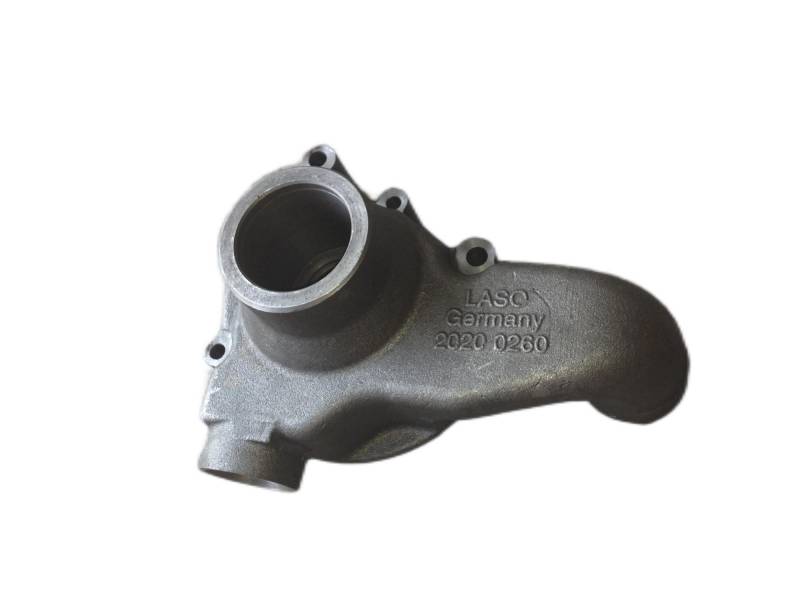
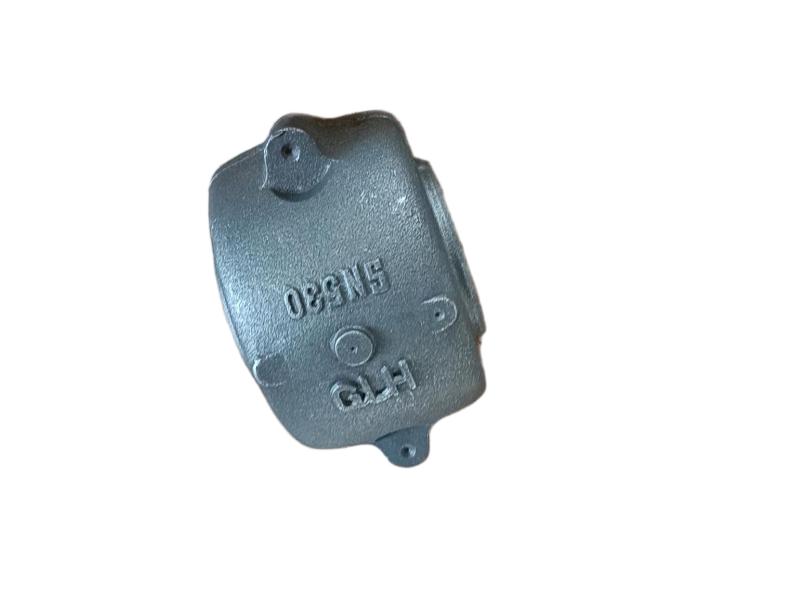
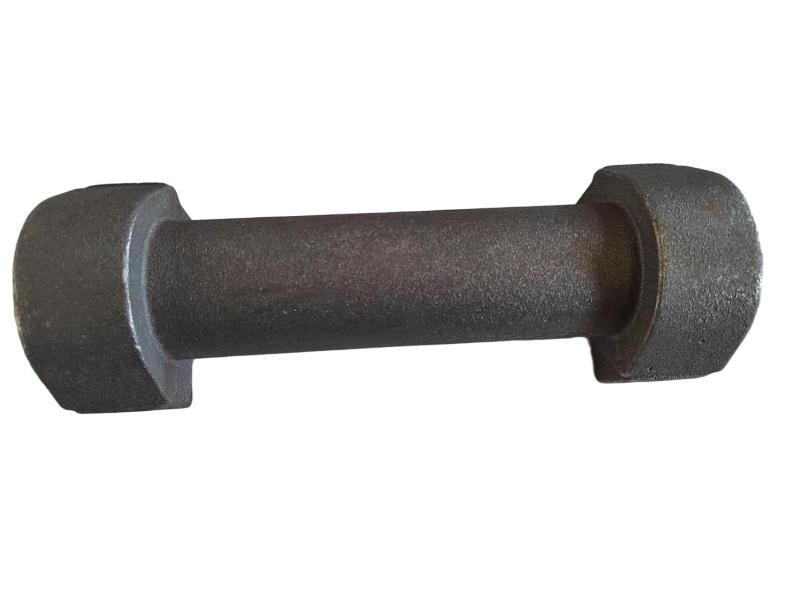
Custom vacuum casting for grey iron, ductile iron, and steel components. High precision, smooth surface finishes, and zero-binder molding.
The V-process (Vacuum Molding) employs a dry sand mold that is devoid of binders and moisture. The force exerted by vacuum pressure holds the shape of the casting in the internal cavity of the mold.
During the vacuum molding casting process, a thin EVA plastic film is placed over the casting pattern in the vacuum system. Vacuum pressure is applied, allowing the sheet to tightly cling to the pattern's contours. Because there is no chemical binder mixed into the sand, V-process castings boast exceptionally smooth surfaces, tight tolerances, and excellent dimensional stability.

Pattern For V-Process Casting
| Casting Materials | Grey Iron, Ductile Iron, Cast Steel Alloys |
| Surface Finish | Ra 6.3 - Ra 12.5 (Excellent) |
| Dimensional Tolerance | CT7 - CT9 (High Precision) |
| Production Volume | Prototype, Small to Medium Batch Production |
Both processes are excellent for industrial metal parts, but they serve different engineering requirements. Here is how they compare:
| Factor | Vacuum Casting (V-Process) | Resin Sand Casting |
|---|---|---|
| Mold Material | Dry unbonded sand + Plastic film (Vacuum) | Quartz sand + Chemical resin binders |
| Surface Finish | Excellent (Smooth, less machining needed) | Good (Standard sand texture) |
| Dimensional Accuracy | High (No pattern wear, no moisture expansion) | Standard Industrial Precision |
| Casting Size | Medium to Large components | Medium to Massive components (Up to 2,000kg) |
| Typical Applications | Counterweights, thin-walled casings, high-aesthetics parts | Engine blocks, machine bases, pump housings |
Grey Iron: HT150, HT200, HT250; EN-GJL-100 to EN-GJL-300; GG15 to GG30.
Ductile Cast Iron: GGG40 to GGG80; EN-GJS-400 to EN-GJS-800; QT400-18 to QT800-2.
Cast Steel: Carbon and Alloy Steels.

Ready Metal Liquid
Our ARL360 Spectrometer checks 20 chemical elements and metallurgical microscopes provide high-resolution images up to 1,000x magnification. In-house capabilities include:

Physical Test Equipment
1) Pattern & Film Preparation: A thin EVA plastic film is heated to make it pliable and draped over a specially designed master pattern.
2) Vacuum Sealing the Pattern: A vacuum is applied to draw the heated plastic film tightly against the pattern's contours, replicating every fine detail perfectly.
3) Flask Setup & Sand Filling: A special flask is placed over the film-coated pattern. The flask is then filled with dry, unbonded sand (absolutely no water or chemical binders are used).
4) Vacuuming the Flask: The top of the flask is covered with a backing film. A vacuum is then applied to the sand mass inside the flask, making the loose sand incredibly rigid and solid.
5) Melting & Pouring: The master pattern is removed, leaving a perfect cavity held in shape by the vacuum. Molten metal (iron or steel) is poured into the cavity. The plastic film instantly vaporizes, and the vacuum draws the gases away into the sand.
6) Cooling & Shakeout: Once the metal solidifies, the vacuum is simply turned off. Without the vacuum, the sand reverts to its loose, dry state and falls away, revealing a clean, high-precision metal casting with zero shakeout effort.
Key Benefits:

Pattern Coating & Tooling
 Vacuum Casting Machine
 Spray Core Machine
 Flask
 Sand Core
 Pattern Tooling
 Casting Process
 Quench Equipment
 Tempering Equipment

We will analyze all aspects of your metal casting project to ensure meet your delivery timeable with the quantity, quality, price and repeatability your demand.


 IPv6 network supported